
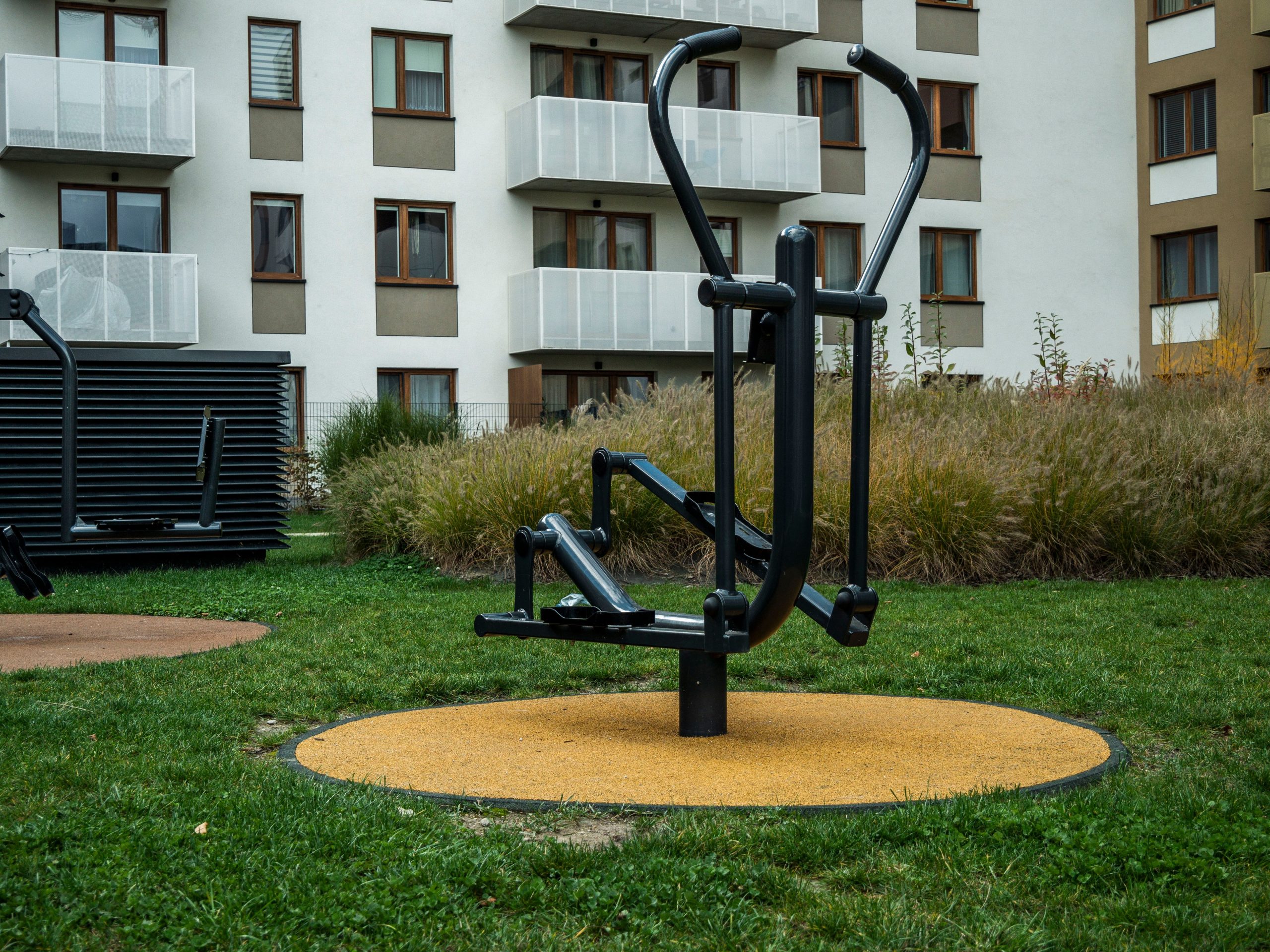
A useful outdoor training area does not need to look like a commercial gym. It needs to give you enough room to move, a stable place to train, and a way to keep equipment usable when the weather changes. The smartest first purchase is often no purchase at all: mark out the movements you actually plan to do, then design around them.
This guide covers the decisions that matter most for a home workout space: location, surface, equipment, weather protection and upkeep. It works whether you have room for a squat stand or only a mat and a pair of dumbbells.
Table of Contents
- Start with the training, not the equipment
- Choose a location you will use
- Match the surface to the workout
- Arrange the area for safe movement
- Plan for sun, rain and storage
- Build in stages and maintain it
- Frequently Asked Questions
Start with the training, not the equipment
Write down the exercises you want to do before deciding what to buy. A space for push-ups, lunges and resistance bands has very different needs from one with a barbell, bench and rack. Think about the largest movement first: an overhead press, a loaded squat or a sprint drill needs more clear space than a curl.
For a balanced starting point, list movements that cover the whole body rather than assembling a collection of equipment around one lift. The CDC says adults should include muscle-strengthening activity on at least two days a week and work the major muscle groups. That can be done with weights, bands or body-weight exercises, so the recommendation does not require a large gym build.
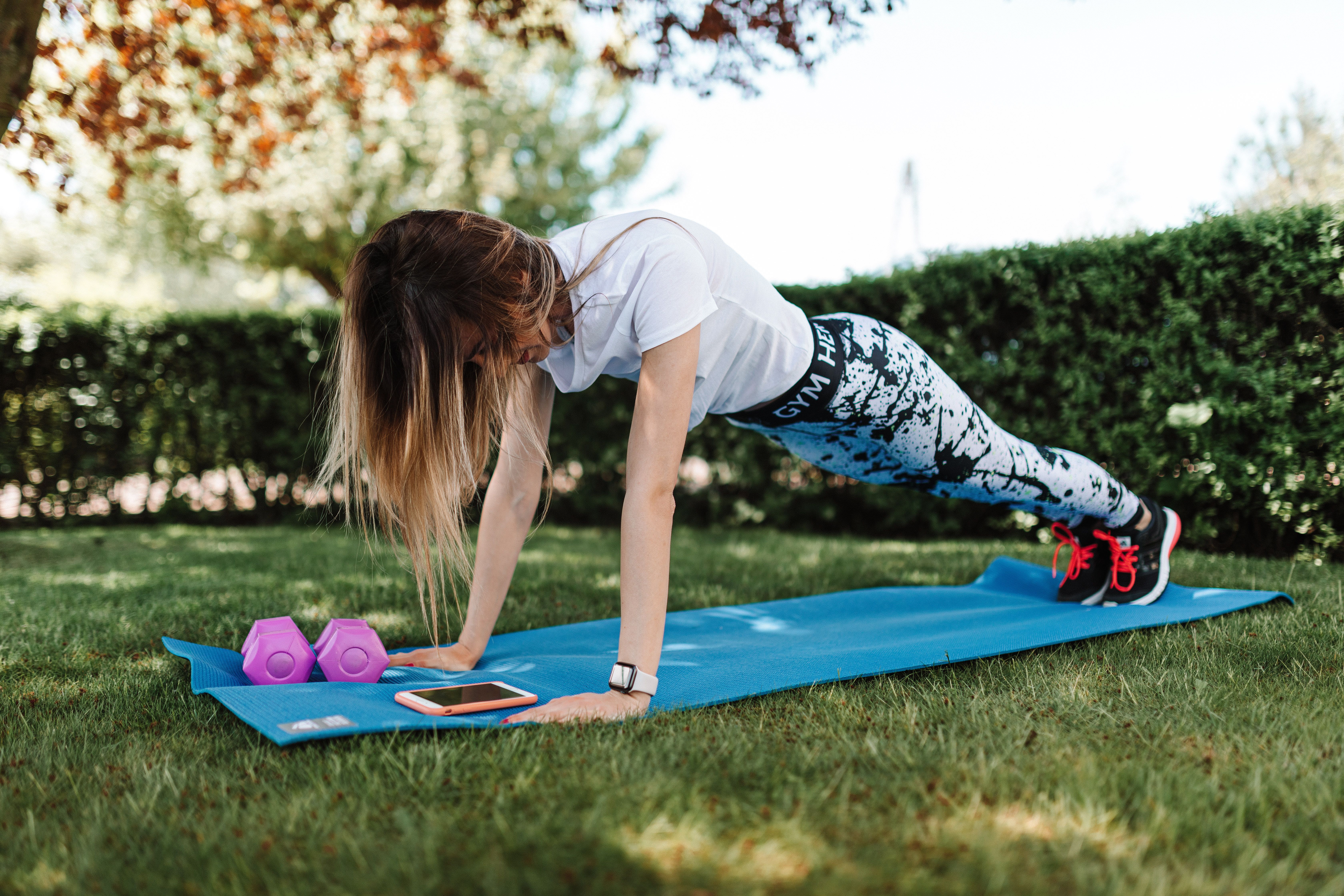
Use a simple inventory to keep the plan realistic:
- Movements: list your regular exercises, warm-ups and any conditioning work.
- Equipment: note what needs to stay outside and what can be carried out before a session.
- Users: allow for the tallest person, the widest stance and any shared use of the space.
- Storage: decide where weights, bands and a mat go when the session ends.
My preference is to make the area excellent for a handful of repeatable sessions rather than cram in equipment for every possible workout. A compact setup you can reset quickly tends to be more useful than a crowded one that makes each session start with rearranging furniture.
Choose a location you will use
Look for a level, well-drained part of the yard with a convenient route from the house. A spot that floods, becomes slick, or is difficult to reach with equipment will be frustrating no matter how good it looks in a plan. Observe it after rain and at different times of day before committing to a permanent surface.
Sun and shade involve a real trade-off. Direct sun can make the area uncomfortable during hot weather, while a permanently damp, shaded corner may keep surfaces wet and invite moss. If possible, choose a place with some shade during the hottest part of the day and good airflow. Think about neighbors, bedroom windows and outdoor lighting too, especially if you expect to train early or late.
Keep enough room around equipment for the movement and for putting weights down without striking a wall, fence, door or garden feature. Follow the equipment maker’s clearance and installation instructions; a rack or anchor point should not be improvised from a fence or a decorative screen.
Match the surface to the workout
There is no single best flooring for every backyard gym. Prioritize a stable, reasonably level base for lifting; grip and drainage for general movement; and a surface suited to impact if you plan to jump or run drills. A thin exercise mat can make floor work more comfortable, but it is not a substitute for a level, secure base underneath it.
The table compares common training needs with the surface questions to resolve before installation. The right choice depends on the base, climate, equipment instructions and how the area will be maintained.
| Training use | Surface priority | Practical planning point |
|---|---|---|
| Body-weight work, mobility and bands | Comfort, traction and a cleanable area | A portable exercise mat can create a dedicated floor-work zone without covering the whole yard. |
| Dumbbells or kettlebells | A firm, stable base that tolerates the equipment | Check what happens if a weight is set down firmly; protect the underlying surface and store weights out of weather. |
| Barbell and rack training | Level support, equipment stability and suitable load capacity | Confirm the supporting structure and installation requirements with the equipment maker and, where relevant, a qualified installer. |
| Jumping or agility drills | Consistent footing and a surface appropriate to repeated impact | Test the area in dry and damp conditions; avoid assuming that a lawn will stay even or provide dependable cushioning. |
Grass may feel forgiving underfoot, but it can become uneven or slippery, and it is not a structural base for heavy equipment. Pavers and concrete are firm but may be hard on knees during floor work. Outdoor rubber products vary, so check the maker’s instructions for drainage, temperature range, UV exposure and whether the product is intended for the loads you expect. If the space includes elevated or play equipment for children, consult guidance specific to that equipment; gym flooring and playground fall-protection surfaces are not interchangeable.
Keep wall finishes separate from the training floor decision. If you are upgrading an adjacent garden wall or outbuilding, composite cladding may be one exterior-finish option, but it does not replace a load-rated, slip-conscious workout surface.

Arrange the area for safe movement
Think in zones rather than lining every item against the wall. Keep a clear central area for warm-ups and body-weight exercises, place heavier equipment on its intended base, and give accessories a defined storage point. The route between zones should not cross loose weights, bands or trailing cables.
- Set a mat where it can lie flat and stay clear of furniture edges.
- Store dumbbells and kettlebells on a stable rack or low, secure surface instead of leaving them in grass or a walkway.
- Put bands away from sharp edges and direct sunlight when they are not in use; inspect them for damage before training.
- Keep children and pets out of the lifting zone while weights or moving equipment are in use.
- Use only equipment designed for outdoor exposure, or bring it inside after each session.
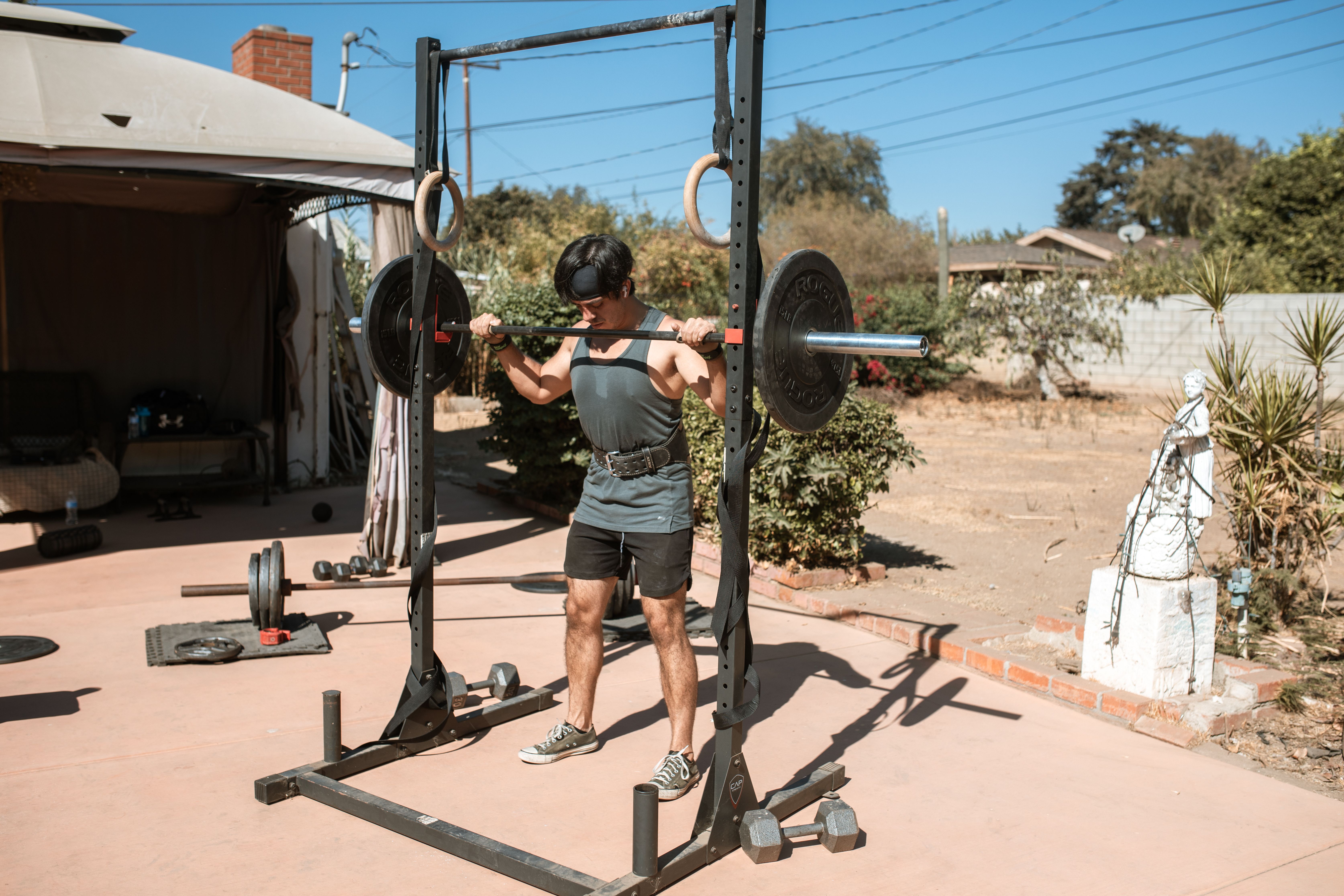
For barbell work, safety depends on the equipment and the lifter, not just the flooring. Assemble and anchor the rack exactly as its instructions specify, use appropriate safeties, and do not lift alone in a way that exceeds your ability to bail safely. The U.S. Consumer Product Safety Commission has published recalls involving weight-training components that could fail; check the model and recall status of used equipment before relying on it.
Plan for sun, rain and storage
Outdoor exercise adds environmental conditions to the workout itself. Shade, airflow, drinking water and a route back indoors are useful design features, not finishing touches. On hot or humid days, adjust the session or move it inside; the American Council on Exercise notes that heat and humidity can limit the body’s ability to lose heat, and that the heat index alone may not capture the full effect of sun exposure during exercise.
Rainproof does not mean weatherproof. Water can corrode metal, degrade some elastic materials and make grips or floors slick. After a wet session, wipe down equipment, let mats dry before rolling them up, and avoid leaving textiles or padded accessories in a damp storage box. A ventilated, lockable cabinet or a nearby indoor storage spot often protects gear better than a tarp that traps moisture.
Lighting matters if the area is used outside daylight hours. Use outdoor-rated fixtures, avoid glare directly into the lifting area, and make sure the floor and storage route are visible. If there is no practical way to light the space well, set a daylight-only rule rather than relying on phone flashlights around weights.
Build in stages and maintain it
Start with the ground and the equipment you already own. Mark the proposed area with cones or chalk, then try a normal session there. That inexpensive rehearsal can reveal a low branch, awkward door swing or cramped stance before you pay for a deck or permanent flooring.
A sensible order is:
- Clear debris and address drainage or leveling problems.
- Test the layout with a mat and portable equipment.
- Choose a permanent surface only after you know how the space is used.
- Add storage, shade and lighting based on actual problems you encounter.
- Inspect fasteners, surfaces and equipment regularly, especially after storms or seasonal changes.
The best outdoor home gym is often deliberately modest: a dependable base, clear space to move, equipment that can be stored properly and enough shade to make the area usable. If the layout makes it easy to begin and simple to put away, it is doing its job.